Understanding the psychology behind high-stakes gambling what drives the thrill
The Allure of Risk and Reward
High-stakes gambling captures the human imagination, invoking a sense of adventure and excitement. The very nature of risk amplifies the thrill, appealing to individuals who seek adrenaline rushes. As players confront the potential for substantial financial gain or loss, they engage in a psychological dance between hope and fear, which drives their desire to participate in such high-stakes environments. For a comprehensive experience, you might consider Coolzino Casino Online: Bonuses, Games, Payments, which offers a variety of gaming options.
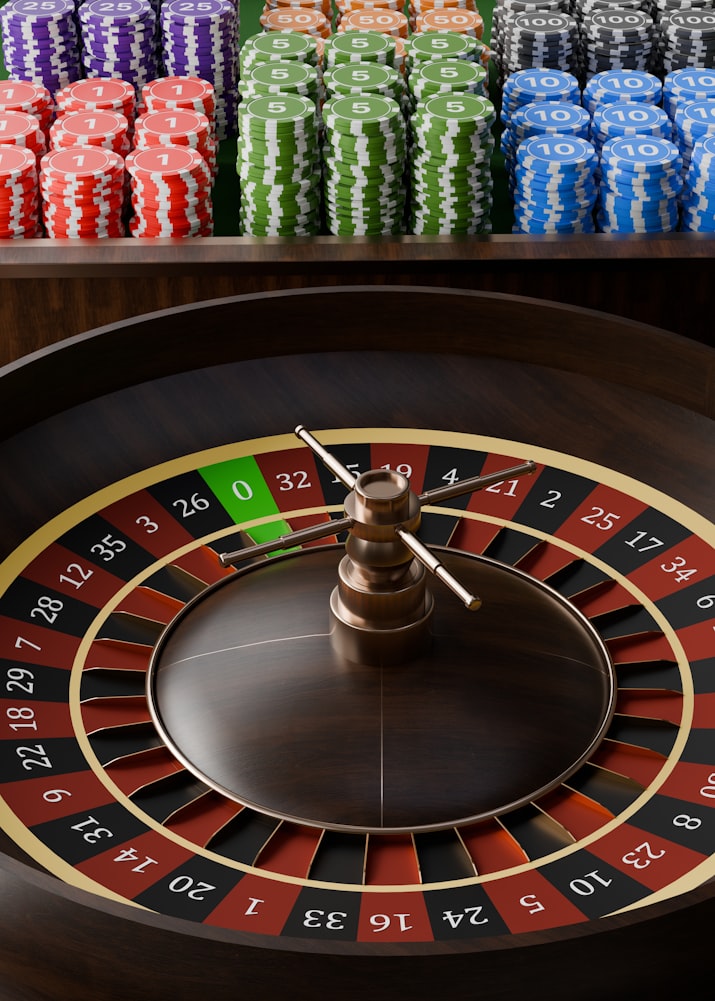
Risk-taking behavior is deeply rooted in psychology. For some, it taps into the idea of self-efficacy, where winning validates their abilities and decision-making skills. Moreover, the anticipation of a potential win often overshadows the very real consequences of losing. This imbalance creates a unique psychological cocktail that fuels gambling behavior, particularly at high-stakes tables or betting arenas.
Interestingly, the allure of high-stakes gambling is not merely about the money. It often involves social status, as winning can elevate one’s position within social circles. This social dimension adds another layer to the thrill, with players motivated not only by personal gain but also by the desire for recognition and prestige among peers.
The Role of Cognitive Biases
Cognitive biases play a significant role in how gamblers perceive risk and reward. The illusion of control is one such bias, where individuals believe they can influence the outcome of a game despite the inherent randomness. This psychological phenomenon can lead to overconfidence, making players more likely to engage in high-stakes gambling, thinking they have a better chance of winning than they truly do.
Another key bias is the gambler’s fallacy, which is the belief that past outcomes can influence future events in random games. For example, a player may assume that after a series of losses, a win is “due,” prompting them to increase their bets. This flawed reasoning can lead to escalating bets and, ultimately, significant financial losses.
Additionally, the sunk cost fallacy often drives gamblers to continue playing even when it is detrimental. This bias makes individuals reluctant to walk away after already investing time or money, leading to further engagement in high-stakes situations. The interplay of these biases illuminates the intricate psychology that underpins the thrill of gambling.
The Influence of Environment and Context
The environment in which gambling takes place can significantly influence a player’s psychological state. Casinos are designed with specific elements such as lighting, sounds, and decor to create an atmosphere of excitement and anticipation. This carefully curated environment amplifies feelings of euphoria and encourages players to indulge in high-stakes games.
Social factors also play a crucial role. For many, gambling is a communal activity; the presence of others can heighten the excitement and motivation to participate in high-stakes games. The shared experience of cheering for wins or commiserating over losses creates a dynamic social environment that enhances the thrill of gambling.
Moreover, the context of high-stakes gambling—often framed by exclusive events or tournaments—can amplify the stakes in both a literal and figurative sense. This exclusivity can make individuals feel privileged and add to the excitement, as they compete not only against odds but also against other skilled players. The combination of environmental factors and social context creates a potent recipe for thrilling gambling experiences.
Addiction and Psychological Implications
The thrill of high-stakes gambling can lead to problematic behaviors and addiction. The rush of winning can trigger the brain’s reward system, releasing dopamine and creating a cycle where players chase that high. Over time, this can lead to compulsive gambling, where the thrill is sought regardless of the consequences.
The psychological implications of gambling addiction are profound. Individuals may experience increased anxiety, depression, and isolation as their gambling escalates. The pursuit of the thrill can overshadow responsibilities and relationships, leading to a decline in overall quality of life. Understanding these effects is crucial for recognizing when the thrill crosses into harmful territory.
Support systems and treatments are essential for individuals struggling with gambling addiction. Cognitive-behavioral therapy and support groups can provide the necessary tools to address these psychological challenges, allowing individuals to regain control over their gambling habits. Awareness and education about the psychological aspects of gambling can help mitigate its adverse effects.

Exploring Coolzino Casino’s Offerings
Coolzino Casino provides an engaging platform that caters to both casual and serious gamblers. With a wide range of gaming options, including slots, live dealer tables, and sports betting, it creates an inviting environment for players seeking that adrenaline rush. The site is user-friendly, ensuring that players can easily navigate through the various options and discover trending games.
What sets Coolzino Casino apart is its commitment to a rewarding gaming experience. New players can take advantage of generous welcome bonuses, while ongoing promotions, such as cashback offers and tournaments, enhance the thrill of the games. This combination of incentives keeps players engaged and motivates them to explore different gaming avenues.
Furthermore, Coolzino Casino places a strong emphasis on security and fair play, ensuring a safe environment for all users. With age restrictions and strict protocols in place, players can enjoy their gaming experience with peace of mind. For those intrigued by the excitement of high-stakes gambling, Coolzino Casino offers an inviting and thrilling platform to explore their passions.